


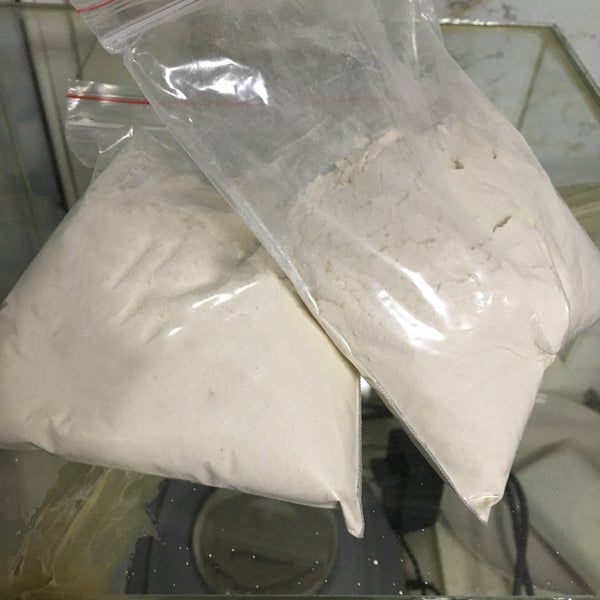
Buy HU-210 powder For Sale
Price range: €250.00 through €2,000.00
HU-210 powder is a synthetic cannabinoid known for its highly potent effects, primarily used in scientific research and, illicitly, as a psychoactive substance. Originally synthesized in the 1980s, HU-210 is structurally similar to natural cannabinoids found in cannabis but significantly more potent—estimated to be 100 to 800 times stronger than THC.
Buy HU-210 powder Online
HU-210 powder is a synthetic cannabinoid known for its highly potent effects, primarily used in scientific research and, illicitly, as a psychoactive substance. Originally synthesized in the 1980s, HU-210 is structurally similar to natural cannabinoids found in cannabis but significantly more potent—estimated to be 100 to 800 times stronger than THC. It binds selectively and strongly to CB1 and CB2 receptors in the brain and peripheral tissues, affecting mood, perception, pain relief, and other bodily functions regulated by the endocannabinoid system.
Used predominantly in laboratory settings, HU-210 powder serves as a valuable tool to explore cannabinoid receptor pharmacology, investigate therapeutic potentials, and study the endocannabinoid system’s role in various physiological and pathological processes. However, due to its potency and psychoactive effects, HU-210 has also been abused recreationally, often marketed as synthetic cannabis. This use raises significant health concerns including psychological distress, cardiovascular effects, and dependency risk.
HU-210 Powder for sale
HU-210 is structurally and pharmacologically similar to Δ9-tetrahydrocannabinol (Δ9-THC), the main active
ingredient of marijuana, and it was synthesized around 1988. It was recently purported to be found in the herbal mixture “Spice”, sold in European countries mainly via internet shops. HU-210 is in schedule I of the U.S. Controlled Substances Act. HU-210
Chemistry
HU-210 is the enantiomer of HU-211 (dexanabinol). The original synthesis of HU-210 is based on an acid-catalyzed condensation of (–)-Myrtenol and 1,1-Dimethylheptylresorcinol (3,5-Dihydroxy-1-(1,1-dimethylheptyl)benzol).[2]

Licit Uses:
HU-210 is used in basic scientific research to identify cannabinoid receptors in the brain and study the
mechanisms of action of Δ9-THC.
Behavioral pharmacology studies show that HU-210 has Δ9-THC-like activity in animals. In mice, it decreases overall activity,
produces analgesia, decreases body temperature and producescatalepsy. Together, these four effects are used by scientists to predict Δ9-THC-like psychoactivity in humans. HU-210’s activity in all tests suggests that it is likely to have Δ9-THC-like psychoactive effects in humans. HU-210
In drug discrimination studies in rats and pigeons, HU-210 generalized to Δ9-THC, i.e., produced subjective effects similar to
THC’s and was found to be 66 times more active than Δ9THC in the rat and 80 times more active than Δ9-THC in the pigeon.
In vitro studies show that HU-210 binds to both the brain cannabinoid receptor CB1 and the peripheral cannabinoid receptor
CB2 with higher affinity than Δ9-THC suggesting that it would have the same effects as Δ9-THC in vivo. A search in the literature resulted in no published studies of the psychotropic effects of HU-210 in humans.
Illicit Uses:
HU-210 is purported to be an ingredient in the herbal mixture“Spice” which may be smoked for its psychoactive effects. No information on the illicit use of HU-210 in the U.S. is available at this time.
Illicit Distribution:
The System to Retrieve Information from Drug Evidence (STRIDE/STARLiMS) is a federal database for the seized drugs analyzed by DEA forensic laboratories. The National Forensic Laboratory Information System (NFLIS) is a system that collects drug analysis information from state, local, and federal forensic laboratories. Both NFLIS and STRIDE/STARLiMS, have maintained a few reports per year of HU-210 since 2011; with one report in 2011 and 2018, three in 2012, 2014, and 2015; and two
| Quantity | 10G, 25G, 50G, 100G |
|---|
Be the first to review “Buy HU-210 powder For Sale”
Related products


cannabinoid

cannabinoid

cannabinoid
Reviews
There are no reviews yet.